God is just playing when he's bored. And he does it with transcendental ease.
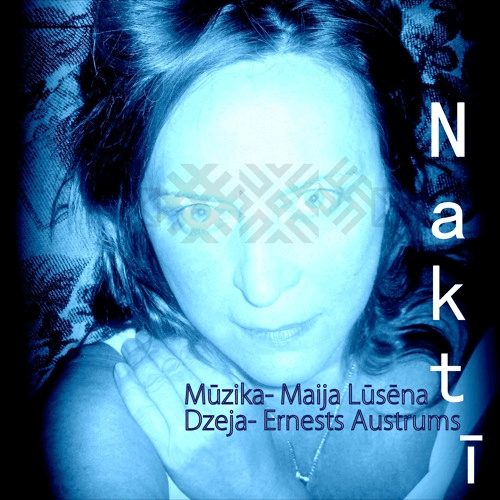
Like that time, when, as if by chance, music, poetry, and voice are brought together, fitting together as if recorded in a single, ancient code. Poetry in music. Woven into the songs of Maija Lūsēna's album of heartfelt songs "Born in a Storm".
Music gives poetry new life. It is a blessing, a blessing, and a blessing when music, the presence of voice and heart, can elevate poetry to a new height of catharsis that it would hardly be able to reach on its own.
This is the path of intonation maturity. The path to acceptance, awareness, and letting go. From the pain of oneself and the pain experienced together, only light remains. Such intonation stands beyond the pain that cannot be expressed in words, stands beyond the temporal.
And she is not alone. For whether invited or not, God is present.
Ernests Austrums (literary pseudonym)
It often happens in life that from the side from which you expect nothing, you suddenly receive the greatest support and understanding, sympathy and empathy for your work, which is a work of the heart.
That's exactly how I met the poet Ernests Austrumas, when I received a collection of poems in the mail "The Wrinkled Cosmos Sleeps in Blueberries". Reading Ernests' poetry, I felt as if someone was exploding me from the inside, how much the written poetry resonated with my soul, which had been longing for many years to write something very personal in music, in which I could reveal myself as a singer in the sounds that began to sound in me after many years of silence in music.
God was favorable to such cooperation, and led me on the path towards Ernest's poetry. Poetry that combines experiences and pain, longing and hope, doubts and fears, harshness and tenderness, clear mind and madness, reality and the loss of its sense, into steps that form a staircase towards love for God, for man, for one's people, and the realization of oneself that one is co-responsible for all the processes in which God has placed His law. After Ernest's suggestion and encouragement that an album could perhaps be made, ballads began to be born one after another.
And putting everything together – my music, Ernests Austrumas' poetry, my son Jānis Lūsēns Jr.'s piano playing and sound design, Misha Mdinaradze's arrangements and voice, I think that the ballads will be able to reach the hearts of the listeners, which is the main and determining thing in art.